
Slip and fall incidents are among the most common causes of personal injury, occurring not only in public places like stores, sidewalks, or offices but also within private homes. While many people associate slip and fall cases with commercial or public settings, injuries that occur in private residences can also lead to significant physical harm, financial burdens, and complex legal challenges. Understanding the nuances of liability, homeowner responsibility, and legal remedies available to victims is crucial when navigating such cases. In these situations, the guidance of a Slip and Fall attorney or a Personal protection injury attorney becomes invaluable in determining the best course of action.
This comprehensive exploration delves into the legal framework governing slip and fall accidents in private homes, the duties of homeowners, common causes of such incidents, and how victims can protect their rights with the help of experienced legal professionals.
Understanding Slip and Fall Accidents in Private Homes
Slip and fall accidents refer to situations where an individual slips, trips, or falls due to a hazardous condition on someone else’s property. While public and commercial spaces are typically insured against such incidents, private homes present unique complications. These accidents can occur in various circumstances, such as wet floors, uneven surfaces, poor lighting, loose carpets, cluttered pathways, or icy walkways.
In a private home, the injured party might be a guest, a friend, a contractor, or even a delivery person. The nature of the relationship between the property owner and the injured individual plays a significant role in determining liability. Legal accountability depends on whether the property owner failed to maintain a reasonably safe environment or neglected to warn visitors of known hazards.
It is a misconception that homeowners are automatically protected from legal responsibility simply because the accident occurred on private property. Courts consider several factors, such as the visitor’s purpose for being on the property, the property owner’s knowledge of the dangerous condition, and the actions taken (or not taken) to mitigate risk.
Legal Duties of Homeowners Toward Visitors
The law distinguishes between different types of visitors to a private home—invitees, licensees, and trespassers—and each category carries distinct legal obligations for the homeowner.
Invitees are individuals who enter the property for a purpose that benefits the homeowner, such as contractors, repair technicians, or even social guests if the homeowner derives some benefit. Homeowners owe invitees the highest duty of care, meaning they must actively inspect the premises and fix or warn against potential dangers.
Licensees, typically social guests, are owed a slightly lower duty of care. The homeowner must warn them of known dangers that may not be immediately obvious but is not necessarily required to inspect the property for hidden hazards.
Trespassers, those who enter without permission, are generally not owed a duty of care, except in specific situations involving children or willful harm.
In private home slip and fall cases, most victims fall under the category of invitees or licensees. When a homeowner fails to uphold their duty, and that failure results in injury, they can be held legally liable.
Common Causes of Slip and Fall Accidents in Private Residences
Slip and fall incidents within private homes stem from a variety of causes. Understanding these can help both homeowners and visitors recognize potential hazards.
One of the most common factors is wet or slippery surfaces. Spilled liquids, recently mopped floors, or wet areas near bathrooms or kitchens can become dangerously slick. Additionally, during rainy or snowy seasons, entryways can accumulate moisture that increases the likelihood of falls.
Uneven flooring or loose carpeting is another frequent cause. Rugs without non-slip backing, loose floorboards, or uneven tiles can easily catch a person’s foot, leading to a fall. Similarly, poor lighting in hallways, staircases, or outdoor pathways can obscure hazards and make navigation unsafe.
Outdoor conditions also contribute to household slip and fall cases. Cracked driveways, icy porches, and broken steps can all result in serious injuries. In some cases, cluttered environments—with scattered toys, electrical cords, or boxes—pose significant risks.
The Challenge of Establishing Liability
Proving liability in a private home slip and fall case can be complex. Unlike commercial establishments that are expected to maintain high safety standards for visitors, private homeowners are often judged by a more lenient standard. To establish liability, the injured person must typically prove that the homeowner either created the dangerous condition, knew about it and failed to correct it, or should have known about it through reasonable care.
A key factor in such cases is the foreseeability of harm. If the homeowner could reasonably foresee that a condition on their property posed a risk, and yet failed to take action, liability becomes more likely. However, if the dangerous condition developed suddenly or without the homeowner’s knowledge—such as a spill that occurred moments before the fall—the case may be more difficult to prove.
A Slip and Fall lawyer plays an essential role in gathering evidence, interviewing witnesses, and analyzing the circumstances that led to the accident. The legal professional ensures that the injured person’s rights are protected and that the burden of proof is adequately met.
The Role of Insurance in Private Home Slip and Fall Claims
In many cases, the homeowner’s insurance policy covers slip and fall accidents that occur on their property. However, navigating insurance claims can be challenging, especially when the insurer disputes liability or attempts to minimize compensation.
A lawyer for slip and fall can review the insurance policy, determine the extent of coverage, and negotiate directly with the insurance company. Many homeowners’ policies include personal liability coverage, which pays for injuries to guests, but the details vary widely.
Victims may also face emotional and practical challenges in pursuing a claim, particularly if the homeowner is a friend or family member. A Personal protection injury attorney can help manage the process objectively, ensuring that the claim focuses on the insurance compensation rather than personal conflict.
The Legal Process in a Private Home Slip and Fall Case
The process of pursuing a slip and fall claim in a private home generally begins with medical evaluation and documentation. Immediate medical attention not only protects the victim’s health but also establishes the official record of injury, which is crucial in legal proceedings.
Next, evidence must be collected from the scene. Photographs of the hazard, witness statements, and any communications with the homeowner can all serve as critical evidence.
Once the evidence is compiled, a Slip and Fall attorney typically initiates communication with the homeowner’s insurance company, presenting the claim and supporting documentation. If the insurer disputes the claim or offers inadequate compensation, the attorney may file a lawsuit in civil court.
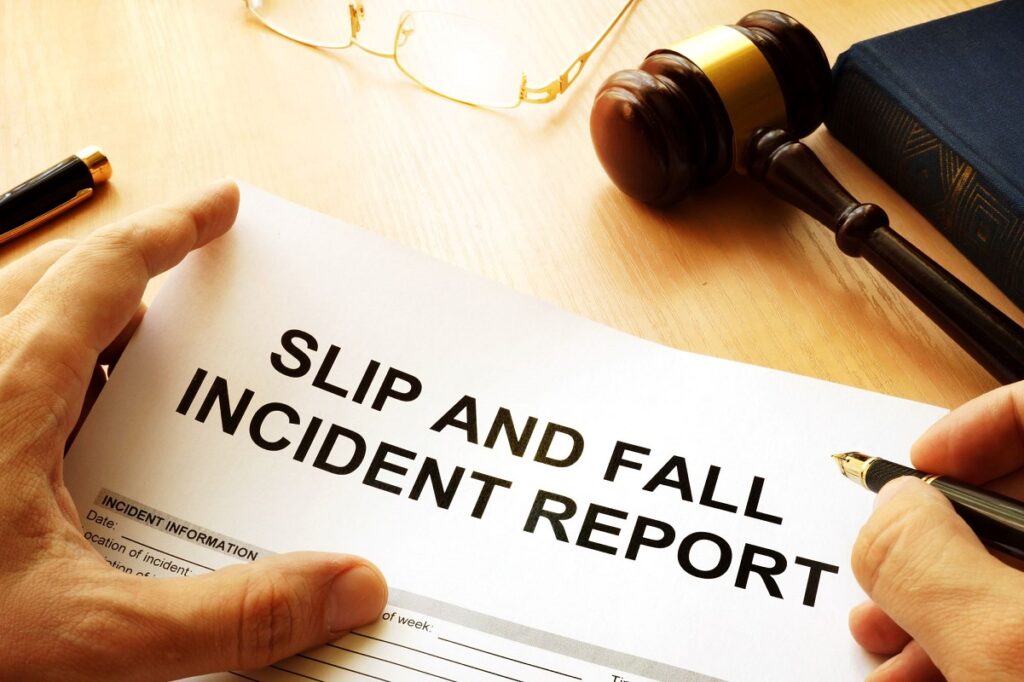
The litigation phase includes discovery, depositions, and potential settlement negotiations. Many cases settle before reaching trial, but some proceed to court if the parties cannot agree. Throughout this process, the attorney’s expertise is vital in ensuring that procedural rules are followed, deadlines are met, and the injured person’s interests are represented effectively.
Comparative Negligence in Slip and Fall Cases
An important legal concept that often arises in these cases is comparative negligence, which refers to the degree of fault shared between the property owner and the injured individual.
For instance, if a person slips on a clearly visible hazard or was distracted by their phone at the time of the accident, they may be found partially responsible for their injuries. In such cases, any compensation awarded may be reduced proportionally based on their percentage of fault.
Different jurisdictions apply varying standards of comparative negligence. Some allow recovery even if the injured party was partially at fault, while others bar recovery entirely if the victim was more than 50% responsible. A seasoned Slip and Fall lawyer understands how these doctrines apply in specific cases and strategizes accordingly to minimize the impact of comparative negligence.
Types of Damages Recoverable in Private Home Slip and Fall Cases
Victims of slip and fall accidents in private homes may be entitled to several types of damages, depending on the severity of their injuries and the circumstances surrounding the case.
Medical expenses are often the most immediate and significant form of compensation. This includes costs for emergency care, hospitalization, surgery, rehabilitation, and ongoing medical treatments. Lost wages may also be recoverable if the injury prevents the victim from working temporarily or permanently.
In addition to tangible losses, victims may pursue compensation for pain and suffering, which covers physical pain, emotional distress, and loss of quality of life. In severe cases, where negligence was particularly egregious, punitive damages may be awarded to punish the homeowner and deter similar conduct in the future.
A Personal protection injury attorney carefully evaluates all aspects of the case to ensure that victims pursue full and fair compensation for both economic and non-economic losses.
Common Defenses in Slip and Fall Cases
Homeowners and their insurers often employ various defenses to challenge slip and fall claims. One common argument is that the dangerous condition was open and obvious, meaning that a reasonable person would have noticed and avoided it. Another frequent defense is that the homeowner did not have sufficient time to discover and correct the hazard before the accident occurred.
Additionally, defendants may argue that the injured person was partially responsible due to carelessness or inattention. Insurance companies often use these defenses to reduce payouts or deny claims entirely.

To counter such arguments, a lawyer for slip and fall gathers comprehensive evidence, including photographs, maintenance records, and expert testimony, to demonstrate that the homeowner’s negligence directly caused the injury.
The Human and Emotional Aspect of Slip and Fall Injuries
Beyond the legal and financial implications, slip and fall accidents can have profound psychological effects on victims. Injuries may lead to chronic pain, anxiety, depression, and loss of independence, especially among older adults.
The emotional toll of pursuing a legal claim against someone known personally can be equally challenging. It often feels uncomfortable to take legal action against a friend, neighbor, or relative. However, it’s important to remember that such claims typically involve the homeowner’s insurance company, not the individual personally.
A compassionate Slip and Fall attorney understands this dynamic and helps clients navigate the process with sensitivity, ensuring that their rights are protected while maintaining dignity and respect throughout the case.
Preventive Measures for Homeowners
While the focus of this discussion is on the legal implications, prevention remains the best defense against slip and fall incidents in private homes. Homeowners can take proactive steps to reduce risks, such as maintaining clean and dry floors, securing rugs, ensuring proper lighting, repairing broken steps, and promptly addressing outdoor hazards like ice or debris.
Regular inspections and maintenance not only protect guests from injury but also safeguard homeowners from potential liability. Awareness and timely action can significantly reduce the likelihood of accidents.
The Value of Legal Representation
Navigating a slip and fall claim in a private home without professional assistance can be overwhelming. Insurance adjusters often have extensive experience minimizing payouts, and without proper legal guidance, victims may inadvertently accept settlements that do not reflect the true extent of their damages.
A qualified Slip and Fall attorney or Personal protection injury attorney provides the expertise needed to handle these complex matters. They understand how to build a strong case, negotiate effectively, and, if necessary, present compelling arguments in court.
Legal professionals also bring objectivity to a situation that can be emotionally charged, especially when the homeowner is an acquaintance. Their presence allows the victim to focus on recovery while ensuring their legal rights are upheld.